Virtual Reality Food Festivals: A New Approach to Culinary Events
Virtual food festivals are an innovative solution in the field of organizing culinary events. With the help of virtual and augmented reality technologies, participants can enjoy unique gastronomic experiences without leaving their homes. This new approach allows not only to attract more viewers, but also to expand the boundaries of the gastronomic experience, creating accessible and interactive events.
Introduction to the concept of virtual food festivals
Definition of virtual food festivals
Virtual food festivals are events where participants can participate in cooking master classes, tastings, and even interact with chefs via virtual technology. Such events create an immersive experience that cannot be replicated in traditional settings.
Why a New Approach to Culinary Events Is Important
With the development of technology and changing consumer habits, traditional approaches to organizing holidays are becoming less relevant. A new approach through virtual gastronomic festivals can not only attract attention, but also generate interest among a young audience that is looking for innovative and interactive ways to interact with food culture.
Technologies used in virtual food festivals
Virtual Reality and Augmented Reality
The key technologies used in virtual gastronomic festivals are virtual reality (VR) and augmented reality (AR). VR allows for the creation of full-fledged virtual worlds in which users can be located and interact with the environment. AR, in turn, adds elements of digital content to the real world, improving the tasting and learning process at events.
Platforms and software for festivals
Various platforms and software are at the heart of organizing virtual gastronomic festivals. They provide the integration of various functions, from cooking simulations to payment systems. This makes participation in online events as convenient and functional as possible.
Benefits of Virtual Food Festivals
Accessibility to a wide audience
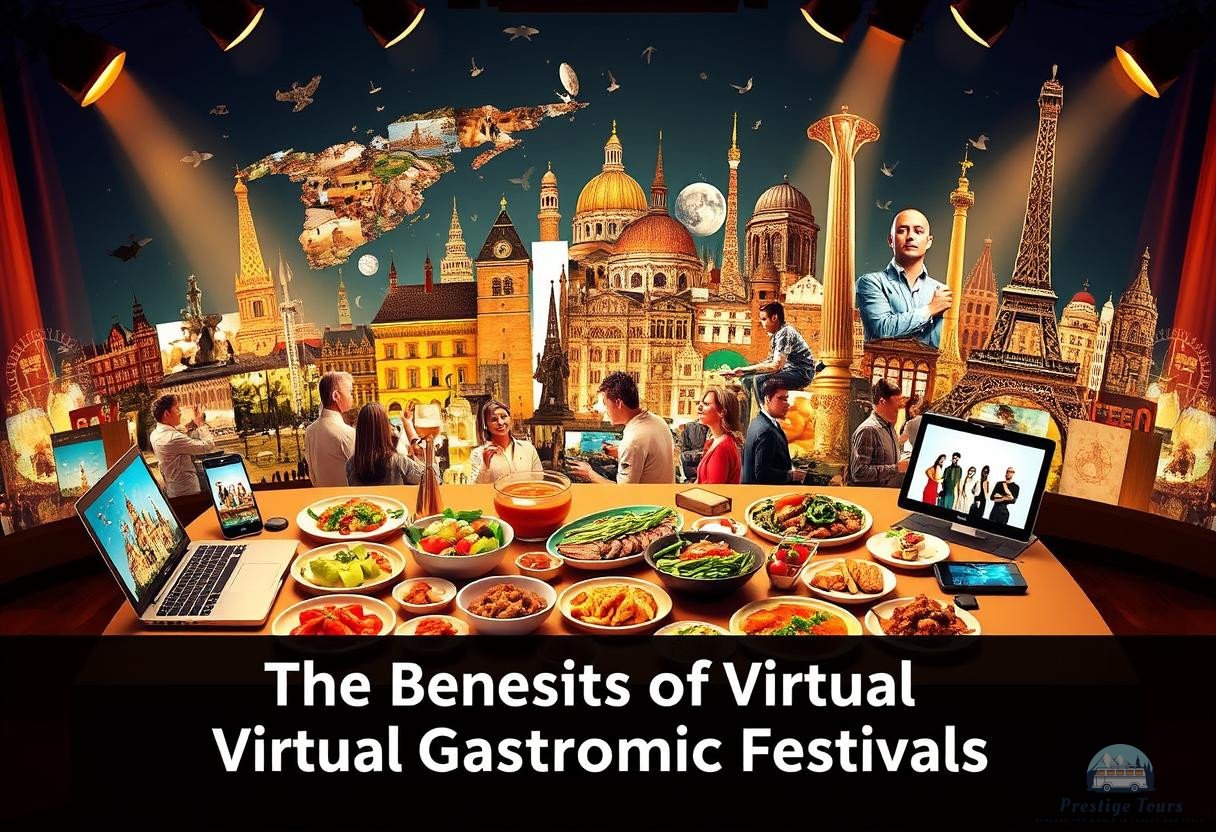
One of the main advantages of virtual gastronomic festivals is their accessibility to a wide audience. People can participate in interactive events from anywhere in the world, which significantly increases the geography of participants and allows to attract interest in various culinary traditions.
Interactivity and unique user experience
Interactivity is another important advantage. Participants can not only observe the process, but also actively participate in it, ask questions, take courses and use interactive elements to highlight their experience. This creates a unique atmosphere of involvement and competition.
Prospects and Future of Virtual Gastronomic Festivals
Trends and Innovations in Event Management
The future of virtual food festivals promises to be bright. Trends show that technology is becoming more accessible and event formats are becoming more diverse each year. We can expect to see new forms of interaction and opportunities for creativity in the culinary arts.
How Virtual Festivals Can Change the Food Industry
Virtual food festivals can bring about profound changes in the food industry. They can create new channels of promotion, give chefs a chance to share their experiences and train new generations of cooks. This not only makes food more accessible, but also inspires creativity among professionals and amateurs.
Thus, virtual gastronomic festivals open up new horizons for the development of culinary culture and provide opportunities that were previously unavailable. For more information on the development of virtual reality in the field of gastronomy, you can refer to the article on the website Vice.
For those interested in culinary events, you can check out our food events pages and discuss these topics on our forum, which will keep you up to date with the latest news.