
Extreme weather threatens tourism, EU tourism chief says at Davos
At this year's Davos Economic Forum, the European Union's tourism chief stressed the importance of how extreme weather tourism threatens the future of the tourism industry. Climate change is having a major impact on travel preferences and the destinations themselves.
Climate change and its impact on tourism
According to the World Meteorological Organization, heat waves, floods and hurricanes are increasing worldwide. This not only worsens the quality of life of local residents, but also reduces the attractiveness of a number of tourist destinations. In this context, experts highlight several key aspects:
- Loss of natural resources: Rising temperatures are causing glaciers to melt, which is having a negative impact on ski resorts.
- Increase in the number of natural disasters: Floods and hurricanes damage infrastructure and force tourists to cancel trips.
- Changing weather conditions: Unpredictable weather conditions put tour and event planning at risk.
The World Tourism Organization (UNWTO) estimates that 2020 saw 1.5 billion international tourists unable to travel. This is a direct indication of the impact extreme weather tourism.
Real examples
In recent years, many countries have faced the consequences extreme weather tourism. For example, in Caribbean resorts, hurricanes cause enormous damage to hotel infrastructure and recreational areas. In 2017, Hurricane Irma destroyed about 25% properties in the Bahamas.

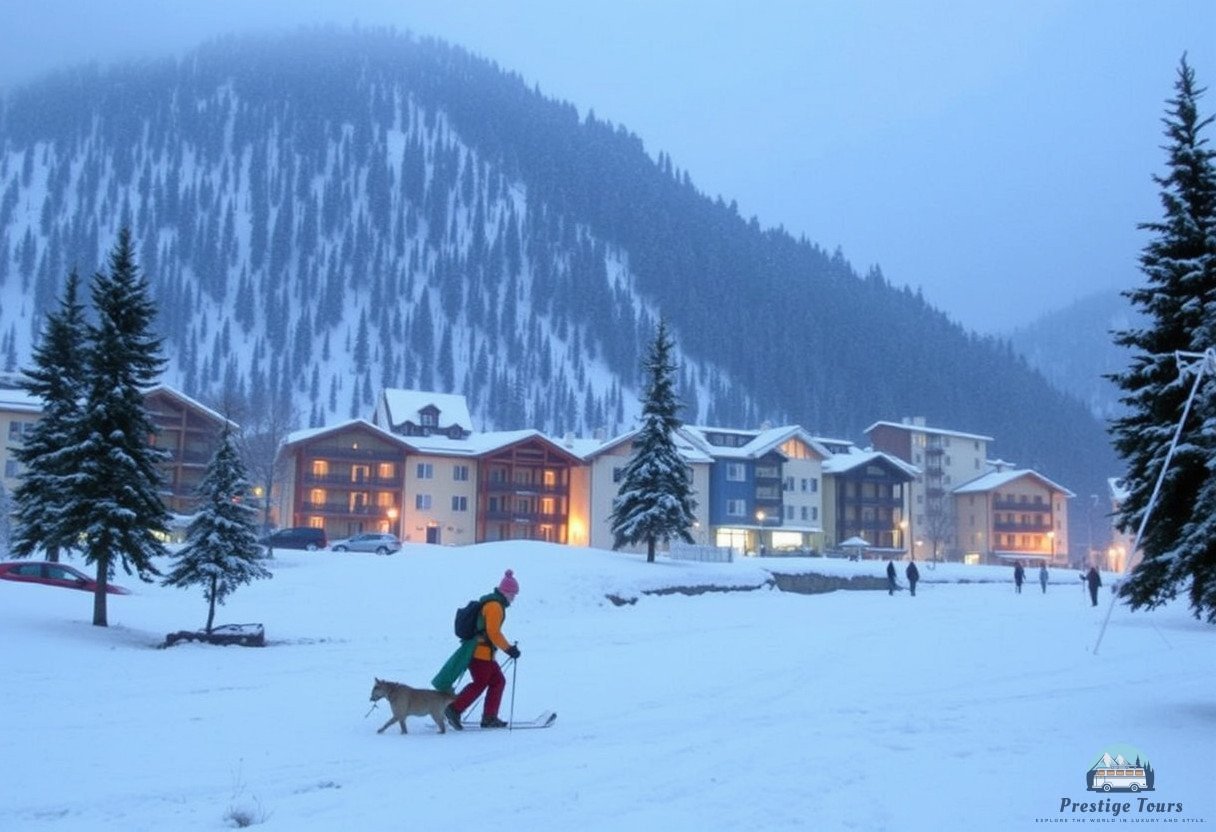
Meanwhile, famous ski resorts in the Alps are experiencing historically high temperatures, leading to a shorter ski season. According to the Association of Ski Resorts, more than 60% French resorts are reporting reduced snowfall.
How the tourism industry is responding to change
Experts hope that smart solutions can help mitigate climate change. Many regions are already adapting their strategies:
- Sustainable Tourism: Programs are being implemented to restore ecosystems and change travel patterns to be more environmentally friendly.
- Education: Surveys show that 75% tourists are willing to change their plans if they are informed about the environmental impact.
- Innovations: New technologies such as drones and interactive maps will help improve interaction with tourists.
However, despite efforts, most tourist destinations facing extreme weather tourism, require significant restructuring of the infrastructure.
The Future of European Tourism
The EU tourism chief called for greater awareness of the links between climate change and sustainable tourism, saying that “investing in a green economy is not only a responsibility, but a necessity for the future.”
Therefore, new initiatives and cooperation between the public and private sectors are the key to building a more sustainable market. Visit your resource for more information on future events that will help the tourism industry adapt to new challenges.
We also recommend that you read our article about how climate change could impact your travel plans in the coming years.