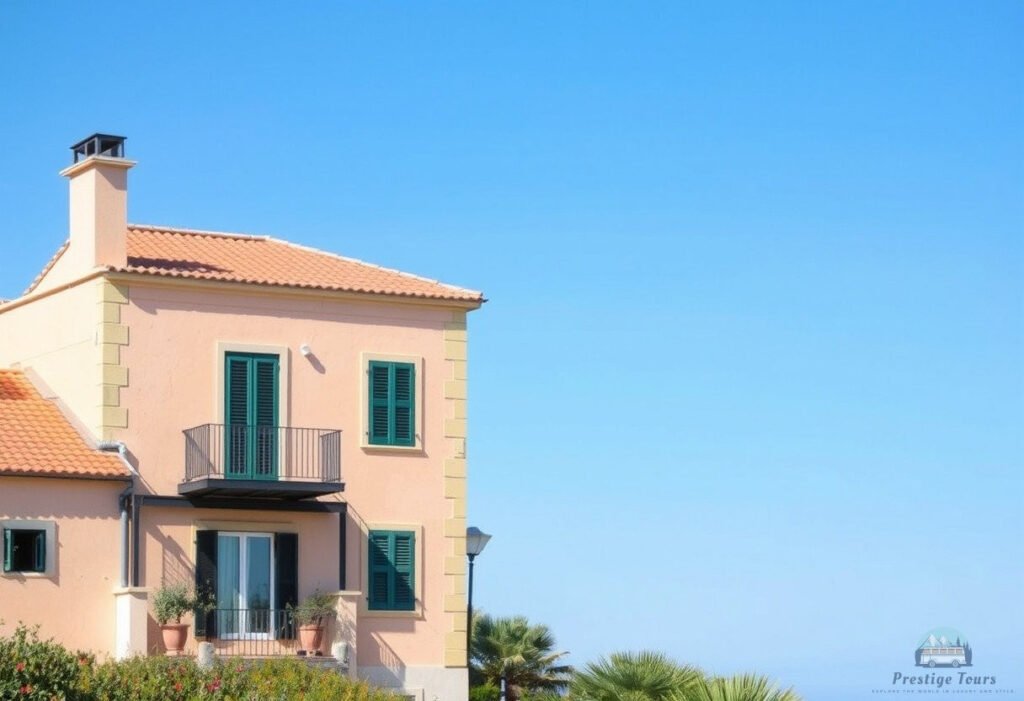
As domestic and international tourism grows rapidly across Spain, the country's secondary cities offer new investors great opportunities to develop and do business, Hotel management reports.

While international brands have traditionally held By focusing their attention on the country's popular, hyped-up destinations, alternative cities are already proving their worth and attracting international investors.
Barcelona Moratorium
Investment activity in the Spanish hotel sector reached a new record high in 2017, with transaction volumes reaching €3.9 billion. Spain now positions itself as the third-largest hotel investment market in Europe, followed by the UK (£5.4 billion) and Germany (€4.2 billion), countries that have recovered quickly from the economic downturn and traditionally attract large volumes of hotel investment.
Meanwhile, the authorities of Spain's most popular city, Barcelona, have imposed a moratorium on further hotel construction. According to preliminary data, Madrid is ready to follow suit.

Since the moratorium was imposed, at least 38 hotel projects have been paralysed in Barcelona, causing the city to suffer losses of around 3 billion euros and the loss of several thousand jobs.
Only a handful of projects that were granted permission before the moratorium will go ahead, and the future of new properties remains uncertain. Accordingly, only six hotels in the city have either recently opened or are expected to open in the next two years, adding a total of about 1,000 new rooms to the market, representing just 2.5 percent of the current supply.
Alternative cities are replacing the popular ones
A study by Christie & Co. has found that Spain's secondary cities are an attractive alternative to prime destinations as they offer higher returns.
Christie & Co. has identified seven cities with real potential: Santander, Alicante, Cordoba, Granada, Toledo, Santiago de Compostela and Valladolid.

These destinations posted higher RevPAR in 2017 and grew significantly between 2016 and 2017, leaving behind parts of Barcelona, Madrid, Valencia, Seville, San Sebastian, Malaga and Bilbao.
In addition, these cities recorded more than 10 million overnight stays in 2017, representing 3.2 percent of the total number of overnight stays registered throughout the country. Almost 6 million tourists visited these cities last year, representing 3 percent more than in 2016. This, in turn, represents about 5.79 percent of the total tourist flow that arrived in Spain in 2017.
Santander was the city with the highest ADR at €86 (average price per room), followed by Alicante (€77) and Cordoba (€71). In 2017, Alicante recorded the highest hotel occupancy rate at 73 percent (an increase of 7.2 percent compared to 2016), followed by Granada (71 percent) and Cordoba (67 percent).
Experts believe that these "secondary" cities could come to the fore in the coming years.
Risk assessment
“The recovery of domestic tourism, as well as the growth of international tourism, has led to increased profitability for all alternative destinations. Add to this good transport accessibility and excellent levels of demand, making them attractive for both investment and development,” said Xavier Batlet, director of Christie & Co.
Batlle added that there is a risk associated with developing tourism in secondary destinations due to their historical dependence on domestic demand, but he added: “This risk will disappear once cities demonstrate their effectiveness, increase international tourism and attract international investors.”
Source: trn-news.ru